
Hey there, ladies! Relationships can be a wild ride, right? We’ve all been there—navigating the ups and downs, trying to keep the spark alive, and sometimes wondering where things went sideways. In those moments, you might also wonder if your doubts or uncertainties are normal, or if others feel the same way about their relationships. It’s no secret that building a strong and happy relationship takes time and effort. But let’s face it, we’re only human, and mistakes are bound to happen. When you look back, it’s important to reflect on what happened in past relationships and learn from those experiences. Common relationship mistakes include poor communication, taking each other for granted, and neglecting emotional and physical intimacy. So many people experience these same challenges, making these mistakes more common than you might think.
In our quest for love and connection, it’s easy to slip up without even realizing it. Sometimes, it takes a moment of honesty to realize what’s really going on in your relationship and understand the changes that need to be made. Maybe it’s a miscommunication or an assumption gone wrong. These little hiccups can sometimes snowball into bigger issues if we’re not careful. But don’t worry, we’re here to help you spot those common pitfalls before they turn into relationship roadblocks.
Introduction to Relationship Mistakes
Relationships are a central part of our lives, shaping our happiness, growth, and sense of connection. Yet, even the strongest couples can fall victim to the biggest relationship mistakes without realizing it. Whether it’s a lack of communication, not putting in enough effort, or losing focus on what truly matters, these missteps can slowly erode the bond between partners. People often invest less effort in their relationships as familiarity grows, leading to stagnation. Over time, unresolved mistakes can lead to resentment, unhappiness, and in some cases, even divorce. The good news is that by becoming aware of these common pitfalls, we can take proactive steps to avoid making them. Building a healthy relationship requires ongoing effort, open communication, and a commitment to nurturing the connection with your partner. In many ways, every relationship is a course in personal growth and relationship skills, offering valuable lessons and opportunities for development. By focusing on these essentials, we can create relationships that are not only resilient but also deeply fulfilling.
Key Takeaways
- Recognizing Self-Worth: Understanding and embracing your own value is crucial to maintaining respectful relationships and avoiding settling for less than you deserve.
- Practicing Self-Care: Prioritizing personal well-being, including emotional and physical health, and engaging in activities that make you feel good emotionally and physically ensures you bring your best self into a relationship.
- Effective Communication: Open, honest conversations help prevent misunderstandings, while avoiding passive aggression fosters healthier interactions.
- Managing Jealousy and Trust: Addressing jealousy positively and maintaining trust is essential for nurturing a secure and confident relationship.
- Appreciating Your Partner: Regularly expressing gratitude for your partner’s efforts can make a significant difference in relationship satisfaction, strengthening bonds and preventing feelings of resentment.
- Allowing Space and Independence: Giving your partner room to grow maintains the relationship’s intrigue and fosters mutual respect and understanding.
Understanding Relationship Dynamics
Every relationship is a unique blend of two human beings, each bringing their own history, emotions, and expectations to the table. Navigating these relationship dynamics successfully means being aware of both your own needs and those of your partner. Self-awareness is key—it allows us to recognize our feelings and communicate them clearly, rather than assuming our partner can read our minds. Self-awareness is the first key to improving communication in relationships. Productive conversations are the foundation of strong relationships; when both partners make the effort to listen and truly understand each other, and ensure their partner feels heard, misunderstandings and conflict are less likely to arise. It’s important to check in with your partner all the time, not just occasionally, to maintain a healthy and connected relationship. Focusing on open communication and empathy helps us avoid common mistakes, like jumping to conclusions or letting small issues snowball. By being aware and intentional in how we communicate, we can build a partnership that thrives on trust, respect, and genuine connection.
Not Knowing Your Own Worth

When we don’t recognize our own worth, it can lead us into unhappy relationships. Not knowing your worth can cause you to fall short of building the relationship you deserve. It’s easy to fall into the trap of settling for less than we deserve or accepting disrespectful behavior. Reflecting on our past and understanding how previous experiences or mistakes have shaped our self-worth is essential for improving our current relationships. Let’s break down the key mistakes that stem from not knowing our value and how they impact us:
- Over-Relying on Relationships for Happiness
Depending solely on others to make us happy can undermine our self-respect. We must find joy within ourselves first to create healthy, balanced relationships. - Settling for Situationships
Many of us settle for relationships that don’t meet our needs, hoping they’ll become something more substantial. This often leads to feelings of inadequacy and frustration when expectations aren’t met. - Lacking Gratitude
Not appreciating what our partners do for us can stem from undervaluing ourselves. Acknowledging our worth helps us show gratitude, which strengthens emotional bonds.
These pitfalls highlight why it’s crucial to understand and embrace our self-worth. The point of recognizing your self-worth in relationships is to ensure you build connections rooted in respect, growth, and genuine appreciation. Doing so empowers us to build fulfilling relationships based on mutual respect and appreciation.
Trying to Change Your Partner
Constantly trying to change him can be one of our biggest missteps in relationships. It’s important to understand that attempting to mold someone into our ideal partner often leads to frustration for both of us. Change is hard enough when it’s personal, but it’s nearly impossible when imposed on someone else.
Not accepting who he is can send the wrong message. This behavior might convey a lack of acceptance, making him feel like he’s not good enough just as he is. Nobody wants to feel undervalued or as if they need fixing to be worthy of love. Trying to fix a partner is a violation of personal boundaries and can cause resentment, further straining the relationship.
Offering unwelcome suggestions usually backfires. When we criticize or suggest changes to a partner’s behaviors, appearance, or habits without being asked, it can spark resentment. Instead of feeling like an appreciated partner, he might feel like he’s just another project.
It’s crucial to embrace our partner’s individuality to build a stronger and more authentic relationship. Recognizing and valuing each other’s unique attributes can create a foundation based on mutual respect and love. Remember, accepting your partner as a unique person, rather than trying to change them, is essential for a healthy relationship. It’s also important to learn how to deal with differences together, addressing issues as a team instead of trying to change each other.
Ignoring Self-Care
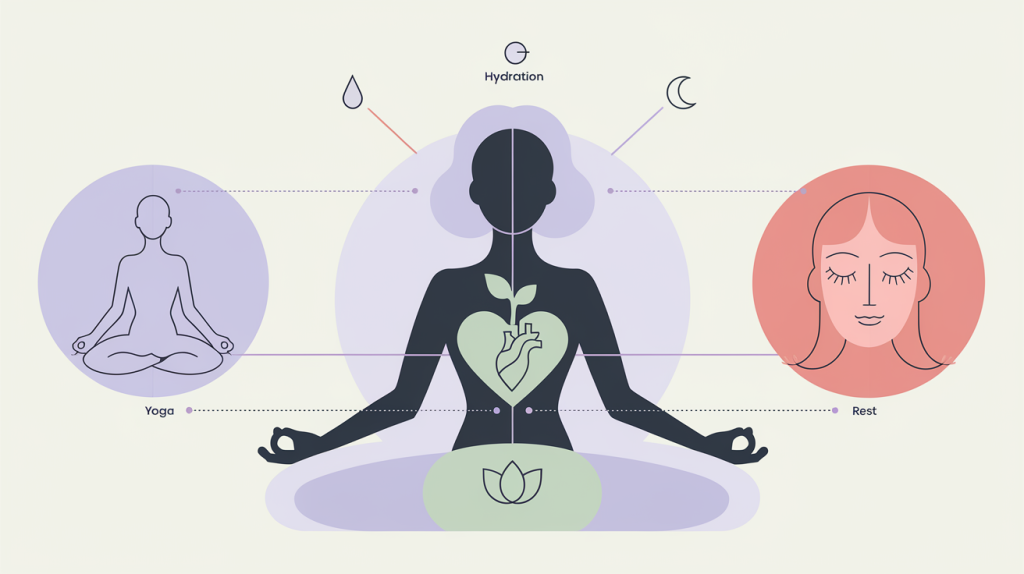
Ignoring self-care is a mistake many of us might overlook in relationships. It’s easy to focus all our energy on ensuring our partner’s happiness, but neglecting our own needs can quickly lead to burnout and dissatisfaction. When we don’t take time for ourselves, we’re less able to contribute positively to the relationship. Habits formed in childhood can also influence how we care for ourselves in relationships, making it important to reflect on early experiences. Additionally, substance use can alter perceptions and decision-making, greatly harming relationships. Scheduling regular “me-time,” whether it’s a hobby, exercise, or just relaxing, helps recharge our emotional batteries and keeps us fulfilled.
Another aspect of self-care we commonly ignore is our emotional well-being. Bottling up feelings or neglecting our mental health can strain a relationship. We need to be in touch with our own emotions, acknowledge when things are off, and seek support when needed. Working on your mental health is an ongoing process that benefits your relationship. Practicing mindfulness or speaking with a therapist can provide valuable insights and prevent emotional overload.
Physical health often takes a backseat when we prioritize our partner. We might skip workouts or ignore healthy eating habits, thinking there’s not enough time. But, maintaining our physical health boosts our energy levels and improves our mood, which benefits both us and our partner in the long run. Small changes, like taking a walk together or preparing nutritious meals, can reinforce our commitment to self-care and our relationship.
Finally, neglecting self-care can erode our sense of self-worth over time. When we don’t invest in our well-being, we might feel less valued and less deserving of love. Remember, a strong relationship begins with self-love. By prioritizing self-care, we not only improve our own life but also set a positive example, encouraging our partners to do the same. Let’s cherish ourselves as much as we cherish our relationships.
Neglecting Communication
Communication’s the backbone of any successful relationship, yet it’s often overlooked. Openly taking the time to talk with your partner can prevent misunderstandings and strengthen your bond. Sometimes, simply expressing your feelings in one sentence can prevent miscommunication and improve connection. Let’s dig into how not expressing feelings openly and using passive aggression can impact our relationships, and how genuine conversation helps build trust and understanding.
Not Expressing Feelings Openly
Many of us have been there—upset but not saying a word. Instead of bottling up emotions, it’s important to let your partner know how you’re feeling and how you felt in a given situation. Silence just adds to misunderstandings and even more conflict. Open and honest conversations strengthen our relationship.
Using Passive Aggression
We’ve all had moments where we used passive aggression, staying silent when something’s wrong. This approach just drains energy and frustrates our partners. Instead, let’s communicate directly, opening the door to dialogue and understanding. Addressing issues head-on by talking openly about our feelings is far more effective than using passive aggression and keeps our relationship healthy and balanced.
Allowing Jealousy to Take Over
Feeling jealous now and then is normal; it shows our love for our partners. But when jealousy becomes overwhelming, it’s a whole different story. Here’s how letting jealousy take over can impact relationships.
- Constant Need for Validation and Presence
Letting jealousy manifest as a constant need for reassurance can be harmful. When we try to be the only focus in our partner’s life, it removes the thrill and mystique that keep relationships exciting. Instead, it’s important to be present with your partner—giving them your full attention and emotional engagement—rather than letting jealousy distract you. This can make partners feel smothered, leading them to withdraw instead of drawing closer.
- Lack of Trust and Communication
Jealousy often springs from not trusting our partners or failing to communicate openly. When we assume we know what they’re thinking or feeling without factual discussions, misunderstandings arise. It’s important to stay focused on building trust and open communication, instead of letting jealousy take over. This lack of trust can make us misinterpret actions, creating drama and friction.
- Exclusivity Demands
We sometimes feel entitled to our partner’s undivided attention and believe others shouldn’t matter. But before meeting us, our partners had their own lives filled with friends and colleagues. It’s essential to recognize this to avoid unnecessary interference in their relationships.
- Insecurity in Relationships
Feeling secure and confident is vital. If we sense our partner’s giving someone extra attention, addressing it calmly without seeming possessive helps. This way, our partners won’t think we’re being overly jealous, allowing us to nurture a healthier bond.
Comparing Your Relationship to Others

Comparing our relationship to others can be a slippery slope that many of us accidentally find ourselves on. We might scroll through social media, see friends, or even family members sharing their seemingly perfect moments, and suddenly, our own relationship feels inadequate. This constant comparison can lead to dissatisfaction and create unrealistic expectations for what our partnership should look like. Besides social media, there are other things—like advice from friends, movies, or even cultural expectations—that can also influence how we view our relationships.
Our fixation on how we stack up to others often stems from the highlights we see online. These curated snapshots don’t show the full picture, yet they leave us questioning the health of our own connection. Unfortunately, by focusing on these comparisons, we can start to overlook the beauty and uniqueness of what we have.
Also, comparing relationships can breed emotional distress and insecurity. We may start doubting the stability and quality of our relationship, which can make us feel rejected or inadequate. This emotional turmoil can erode trust and happiness, creating a vicious cycle of doubt and dissatisfaction.
Instead of looking outward, let’s shift our focus inward. By recognizing and appreciating our relationship’s strengths and accepting its imperfections, we can foster a more authentic and fulfilling bond. And don’t forget to appreciate your own relationship’s unique qualities—after all, it’s about nurturing what we have, rather than chasing what appears to be perfect elsewhere.
Failing to Appreciate Your Partner

Recognizing the little things our partners do can strengthen our relationships. But, failing to appreciate their efforts often leads to feelings of under appreciation and resentment. Let’s explore some common ways appreciation might be overlooked and how we can address them.
- Ignoring Daily EffortsOverlooking routine tasks, like cooking or running errands, can make them feel invisible. We should make time to acknowledge these contributions regularly, including all the things—big and small—that our partner does, not just the obvious ones. It’s also important to be attentive to your partner’s needs and feelings, as understanding your partner’s perspective helps deepen emotional connection.
- Focusing on FlawsConstantly pointing out flaws without balancing them with positivity can create tension. It’s better to highlight strengths alongside gentle constructive feedback.
- Assuming Mutual UnderstandingAssuming partners know we appreciate them without expressing it can be misleading. Simple gestures, like a “thank you” or a small note, demonstrate genuine gratitude. For example, telling your wife how much you appreciate her support and efforts can strengthen your bond and make her feel truly valued.
- Creating Unrealistic StandardsExpecting partners to fulfill roles that aren’t reasonable can lead to disappointment. It’s important to celebrate their real qualities rather than idealized expectations.
- Lack of CommunicationPoor communication about our needs and wants might cause confusion. By being upfront, we can appreciate the efforts they make to meet those needs.
By focusing on these areas, we can enhance our relationships and ensure our partners feel valued.
Not Giving Your Partner Space
One common mistake we make is not allowing our partners enough space and freedom. This oversight can feel suffocating, often triggering an instinct to pull away. When we don’t respect the natural longing for freedom, particularly early in a relationship, it can be detrimental. It’s crucial to remember that space isn’t about creating distance; it’s about enabling growth and maintaining individuality.
Over-involvement in a partner’s life often removes the mystery and allure essential for a vibrant relationship. Constantly trying to fill their world with our presence can make the relationship feel mundane rather than magical. By stepping back occasionally, we keep the element of intrigue alive, allowing for a more engaging and exciting connection. Recognizing the right moment to give your partner space can make all the difference in maintaining a healthy dynamic.
Expecting constant availability is another misstep. Our need for frequent engagement can overwhelm our partners, resulting in unintended pressure. Sometimes, you need to wait patiently for your partner to come to you. We must give them room to breathe and be themselves, which not only shows respect but fosters a healthier bond built on trust and mutual understanding.
Involving Others in Your Relationship
Relying on external opinions can cloud our judgment. Bringing every issue to friends or family often leads to confusion rather than clarity. While seeking advice is natural, a friend can offer valuable support and emotional insight, but they shouldn’t always be the first source of advice. We should ensure it complements rather than complicates our relationship dynamics. Sometimes, somebody else’s actions or opinions can influence how we feel or behave in our relationship, so it’s important to set boundaries to maintain healthy dynamics.
Sharing intimate details can erode trust. Being open about personal matters with others might unintentionally affect our partner’s sense of privacy. We need to strike a balance between maintaining our support network and preserving the intimacy that bonds us together.
Automatically defending ourselves against criticism might create animosity. Sometimes, intervention from outside can bring unintended biases and fuel misunderstandings, and involving others can even turn disagreements into bigger arguments. Making rationalizations instead of facing mistakes can prevent personal responsibility and growth, further complicating the resolution process. It’s crucial we communicate directly with each other to solve issues first, fostering a healthy pattern of resolution.
Comparing our relationship to those around us can create unnecessary pressure. We might feel the urge to measure up to certain standards, but every relationship is unique. By appreciating what we have, we can build a supportive environment that celebrates our distinct experience.
The Role of Couples Therapy
Couples therapy can be a game-changer for partners who want to strengthen their relationship and overcome challenges together. In the hustle and bustle of daily life, it’s easy for communication to fall short or for old issues to resurface, leaving both partners feeling stuck or misunderstood. That’s where couples therapy steps in—it offers a safe space for both people to express their feelings, talk openly about what’s really going on, and learn new ways to connect.
A skilled therapist acts as a neutral guide, helping partners develop better communication skills and teaching them how to resolve conflicts in a productive way. Through couples therapy, you and your partner can gain deeper insight into each other’s needs, break unhealthy patterns, and rebuild trust. Whether you’re dealing with a specific problem or just want to improve your connection, investing in couples therapy can help you both grow and evolve as a team. Remember, seeking help isn’t a sign of weakness—it’s a sign that you value your relationship and are willing to put in the effort to make it thrive.
Prioritizing Quality Time
In today’s busy world, it’s all too easy to let quality time with your partner slip through the cracks. Between work, family, and endless notifications, finding moments to truly connect with your loved one can feel like a challenge. But making your relationship a priority by carving out time for each other is one of the best ways to keep your bond strong.
Quality time doesn’t have to mean grand gestures or expensive dates—it’s about being present and engaged, whether you’re sharing a meal, taking a walk, or simply having a meaningful conversation. These moments of connection help you and your partner feel valued and understood, building trust and deepening your relationship. By focusing on regular, intentional time together, you create lasting memories and reinforce the foundation of your partnership. So, put away the distractions, be present in the moment, and let your loved one know they’re your top priority.
The Importance of Teamwork
A thriving relationship is built on the foundation of teamwork. When both partners approach life as a united front, they’re better equipped to handle whatever comes their way. Teamwork in a relationship means supporting each other’s dreams, sharing responsibilities, and working together to solve problems—big or small.
Effective teamwork requires open communication, empathy, and a willingness to listen. When partners communicate honestly and respect each other’s perspectives, they can navigate disagreements and challenges with greater ease. By focusing on cooperation rather than competition, couples create a sense of unity and shared purpose. Remember, you and your partner are on the same team—when you lift each other up and celebrate each other’s strengths, your relationship becomes stronger and more resilient.
Balancing Responsibilities
One of the biggest relationship mistakes couples make is letting responsibilities fall unevenly, which can lead to frustration and resentment over time. Balancing responsibilities—whether it’s household chores, childcare, or financial decisions—is essential for creating a fair and harmonious partnership.
When both partners share the load, it not only reduces stress but also fosters a sense of equity and mutual respect. Openly discussing expectations and dividing tasks in a way that feels fair to both people helps prevent misunderstandings and burnout. By working together to manage life’s demands, you and your partner can enjoy more quality time and focus on what truly matters: building a happy, supportive relationship. Remember, a balanced partnership is a strong partnership—one where both people feel valued and empowered to contribute.
Overcoming Challenges
No relationship is without its ups and downs, but it’s how we respond to challenges that truly defines the strength of our partnership. One of the most common mistakes couples make is giving up too easily or expecting things to work out without putting in the necessary effort. Relationships require hard work, patience, and a willingness to communicate openly—even when it’s uncomfortable. When problems arise, it’s important to focus on finding solutions together, rather than placing blame or withdrawing. You shouldn’t expect your partner to be the only person responsible for making changes; both individuals need to take responsibility for their actions and growth. People also tend to react to challenges in predictable ways, but breaking these patterns is essential for personal and relational growth. Practicing forgiveness and understanding can help both partners move forward, even after difficult moments. For some, seeking couples therapy can provide valuable tools and support for navigating tough times. Remember, building a lasting relationship isn’t about avoiding mistakes altogether, but about responding to them with commitment, effort, and a shared focus on growth and connection.
Conclusion
Navigating relationships can be tricky, but understanding common pitfalls helps us grow stronger together. If mistakes are left unresolved, they can eventually lead to bigger problems. By valuing ourselves and embracing our partners’ uniqueness, we create a foundation of respect and love.
Prioritizing self-care and open communication ensures we’re contributing positively to our relationships. Let’s remember that jealousy and comparisons can hinder our happiness and focus on appreciating our partners’ genuine qualities. Giving each other space and keeping our relationship matters between us fosters trust and individuality.
By cherishing what makes our bond unique, we can enjoy a fulfilling and authentic connection. Relationship mistakes can hurt both partners if not addressed, so facing them together is essential for lasting happiness. Selflessness and commitment are essential for true love, as they allow both partners to prioritize each other’s needs and foster a deeper, genuine connection. At the same time, keeping fun and playfulness alive, even when working through mistakes, helps maintain a joyful and resilient relationship.
Frequently Asked Questions
Women often face challenges related to self-worth, communication, self-care, and handling jealousy. These challenges may lead to settling for less, miscommunication, neglecting personal well-being, and needing constant validation. Recognizing and addressing these issues is crucial for maintaining healthy and fulfilling relationships. Relationship challenges can also impact kids and children in the family, as unresolved issues may create a stressful environment or affect their emotional well-being. Additionally, a child can be affected by parental relationship mistakes, which may influence their development and future relationships.
Recognizing self-worth is vital as it helps individuals avoid settling for less and accepting disrespectful behavior. Without this recognition, many people may fall short of building fulfilling relationships, as they might not set healthy boundaries or expect the respect they deserve. It enables individuals to foster relationships founded on mutual respect and appreciation, ensuring both partners contribute positively to each other’s happiness and personal growth.
Trying to change a partner can lead to frustration and convey a lack of acceptance, creating tension and diminishing trust. Attempting to change a spouse often results in trouble and frequent arguments, as it undermines understanding and open communication. Embracing each other’s uniqueness is essential to building a stronger, more authentic connection based on mutual respect and love.
Ignoring self-care can result in burnout and dissatisfaction, undermining one’s ability to contribute positively to the relationship. Neglecting self-care can also leave someone stuck in negative cycles, making it difficult to break free from unhealthy patterns. Prioritizing personal well-being through hobbies, exercise, and emotional awareness helps maintain self-worth and strengthens the partnership by bringing a balanced, fulfilled individual to the table.
Effective communication helps prevent misunderstandings and conflict in relationships. By expressing feelings openly and honestly, partners can strengthen their connection and understanding. Issues should be talked through together, as talking openly about problems and feelings is essential for healthy communication. Avoiding passive aggression and encouraging direct dialogue are essential components of maintaining harmony and respect in relationships.
Jealousy can undermine relationships by creating trust issues and miscommunication. While occasional jealousy is normal, excessive jealousy can lead to the need for constant validation and smothering behavior, causing withdrawal rather than closeness. If left unchecked, jealousy can result in falling into destructive relationship patterns that are difficult to reverse. Addressing underlying insecurities and ensuring open communication can help manage jealousy effectively.
Social media can lead to unrealistic expectations by presenting curated snapshots of others’ seemingly perfect moments, causing dissatisfaction. Focusing on the unique strengths and imperfections of one’s relationship helps build appreciation rather than comparing it to others and feeling inadequate.
Giving partners space is crucial for personal growth and maintaining individuality within a relationship. Not giving space can make someone appear self-focused, as it may show a lack of awareness or empathy for their partner’s needs. Allowing space lets partners pursue their interests, recharge, and bring fresh energy to the relationship, fostering a supportive and balanced connection.
Relying on external opinions can cloud judgment and erode trust within a relationship. Dealing with outside influences can be challenging for couples, as it may introduce unnecessary stress and misunderstandings. Sharing intimate details with others may create confusion and conflict. Direct communication between partners is vital for resolving issues and maintaining a strong, trusting bond.
Unrealistic standards can lead to disappointment and conflict as they overlook genuine qualities. While solving problems is important in any relationship, true success relies on more than just resolving conflicts—maintaining an emotional connection and appreciating authentic traits are equally vital. Focusing on celebrating authentic traits and appreciating daily efforts builds a positive relationship dynamic, balancing constructive criticism with positive reinforcement.

